Sunday, 9 February 2014

Хришћани говоре о Богу и животу

О Богу и животу говори уредник ове емисије монах Арсеније (Јовановић)

"Сви ти моји пријатељи, сви ти авангардни уметници, сви су они, у ствари, били боготражитељи. Ја тек сад видим колико дубоко су они тражили пробој из тог сивила свакодневице које је било без Бога. Тражили смо га на погрешним местима, али ипак стварали велика уметничка дела, иако смо били млади.
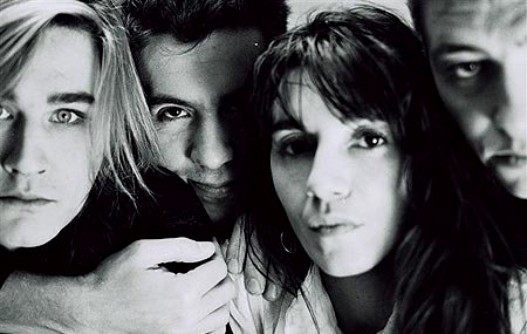
Дубоко жалим што ти људи данас нису живи, почевши од мог друга и брата Душана Герзића-Гере, па преко свих чланова групе ЕКВ, до моје вољене, дивне другарице Соње Савић. Све су то били изузетно талентовани људи, који, да су остали живи, какви би то данас само уметници били! Каква би то била дела!

Saturday, 8 February 2014

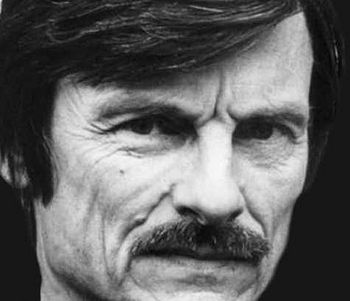
АНДРЕJ ТАРКОВСКИ − АНДРЕJ ПРВОЗВАНИ РУСКОГ ФИЛМА

Разговори са познатим руским глумцем и режисером, директором филмског и позоришног фестивала «Златни витез» Николајем Бурљајевим и сестром чувенога руског и свјетског режисера Андреја Тарковског, Марином Арсењевном Тарковски, једнако су актуелни сада као и прије петнаест година, када су вођени приликом организације Дана Тарковског у Црној Гори.

Разговор са Николајем Петровичем Бурљајевим и Марином Арсењевном Тарковски

Prefigurations of the Sacrament of the Divine Eucharist in the Old Testament

The sacrament of the Divine Eucharist was prefigured by a variety of events in the era of the Old Testament. These events were investigated from as early as the time when the New Testament was being written. They were interpreted and analyzed by the writers of the New Testament, and thereafter by the Fathers of the Church, not only because they’re noteworthy in themselves, but also because they were harbingers of the Truth. The advent of Christ didn’t mean a commentary on the old, nor a transfer from the relative to the relative, but a progression from the old (enslavement) to the new (liberty. His presence “makes all things new, and the very fact of His incarnation is “The only new thing under the sun”.

Wednesday, 5 February 2014

The Pop-Culture Wars, Music, and Character Formation

The Pop Culture Wars

By Carson Holloway


If we take seriously what is said by Plato and Aristotle, then we must also pay attention to what is being said by the likes of Taylor Swift and Kanye West.

A few weeks ago, rapper Kanye West made headlines by crashing Taylor Swift’s acceptance speech at the MTV Video Music Awards ceremony. Swift had won the prize for best female video, but West, believing that Beyoncé should have won, took the stage and interrupted Swift to make his opinion known. Confronted with a torrent of uniformly condemnatory public commentary, West soon apologized. In all of the discussion his actions provoked, however, little thought was given to the significance of the connection between West’s self-absorbed music and his boorish behavior.

Dostoevsky's Spiritual Therapy

By David Starr
I. Introduction: His Life and Project

Fyodor Mihailovich Dostoevsky was not my mother’s idea of a great Christian writer. He wrote fiction, though he recognized that fact as a problem: In The Brothers Karamazov he has the attorneys at Dmitri’s murder trial discredit each other’s cases as novels. Could there be a truthful novel? In The Adolescent a nice tutor from Moscow advises young Arkady that a Russian novel needs more romance and nobility than his story — the novel ironically ending with these comments. Dostoevsky did not mean to write fiction as ordinarily conceived. What did he intend? I think he wrote investigations of the soul, hypothetical analyses of the sickness and healing of the human spirit, with himself as primary experimental subject. In one of his darkest tales, Notes from the Underground, his protagonist, in an utterly humiliating moment, observes, “I think it was a mistake to begin writing ... At least I’ve felt ashamed all the while I’ve been writing this story: so it’s no longer literature, but corrective punishment.”[1] Dostoevsky intends to strip the soul bare, to know himself at all cost.

Andrei Tarkovsky's "Andrei Rublev" (1966)

In 1932, the year of Andrei Tarkovsky's birth, Stalin declared that the Russian Orthodox Church would be wiped out within five years. Through forced closure of churches, seizure of Church property, imprisonment and execution of bishops, priests, and lay people coupled with anti-religious propaganda, the Soviet regime, since the revolution, had expended vast amounts of energy combating the “opiate of the masses”. Despite a 1927 decree in which the acting head of the Russian Orthodox Church, Metropolitan Sergius, declared the Church's allegiance to the Soviet Regime in an effort to mitigate persecutions, the Orthodox Church remained one of communism's main ideological adversaries. Spiritual life was seen as antithetical to materialistic communist dogma.

Capitalism and the Spirit of the Church Fathers

By His Eminence Metropolitan Hierotheos 
of Nafpaktos and Saint Vlassios

Deification of money, hedonism and easy living are the things that prevail in the age we are living in.

The utilization and exploitation of money came to be developed within Protestant circles, within a morality that presumed money to be God’s blessing and the rich as those blessed by God. This topic has been expounded in detail by Max Weber in his widely-known classic, The Protestant Ethic and the Spirit of Capitalism. In it, he maintains that Capitalism, the rationalized utilization of money and life, are the result of all the principles that were developed by the various Protestant groups in Europe.

Sunday, 2 February 2014

Дјеца апокалипсе CLV


У првом дијелу емисије слушате да је 18. јануара кореографском представом атентата на Франца Фердинанда почео Седми фестивал филма и музике на Мећавнику „Кустендорф” који је трајао до 23. јануара. У другом дијелу емисије, а у навечерје празника светог Саве, доносимо причу "Дар" Давида Шултхајза (David Schulthisea).

Преузмите аудио датотеку


Sunday, 12 January 2014


Дјеца апокалипсе CLIV

У овом издању емисије преносимо интервју Владике Липљанског Г. Јована (Ћулибрка) дат НИН – у, од 02.01.2014. године. Разговор са Владиком урадила Тања Николић Ђаковић. «Онај глас који се чује, тихи је глас "преблагог тихог учитеља", да се и ја послужим Његошевом метафором. Једина је права побуна против овакве замрле и окоштале стварности – не допустити јој да нам се увуче у душу».

Преузмите аудио датотеку
Рождество ХристовоРождество Христово

Saturday, 4 January 2014

Ivan Ivačković: Tito je bio Bregović


AUTOR: DRAGOLJUB PETROVIĆ, DANAS

"Neko u vlasti je shvatio da rok muzičari po pravilu boluju od male šizofrenije: da žude za priznanjima establišmenta kojem su, makar samom svojom pojavom, predstavljali opoziciju. Ne samo u Jugoslaviji nego bilo gde."

"Jugoslavija je bila daleko bolja zemlja od svih koje su je nasledile. Njena politička elita mnogo je više držala do kulture jer je i sama bila kulturnija. Sam Tito je najbolji primer. Bio je, kao što znamo, veliki filmofil, a takođe znamo da je umeo i da sedne za klavir. Neko će reći da je to bilo samo za slikanje. Nisam baš siguran, ali neka je bilo i tako. Ovi posle njega toliko su mrzeli klavir da se nisu ni slikali za njim. Može li iko da zamisli Tuđmana za klavirom? Tito se bar slikao za klavirom, te slike su bile objavljivanje i to je bila važna poruka. Jer ako Tito misli da je klavir nešto dobro, i ako to poruči takvom slikom, onda to utiče na javni ukus i u najmanju ruku kod puka razblažuje prezrenje prema klaviru i odbojnost prema otmenijim formama muzike", kaže za Danas Ivan Ivačković, beogradski novinar i publicista. On je u izdanju Lagune upravo izdao jednu od retkih knjiga koja se bavi društvenim ambijentom u kome je nastao jugoslovenski rokenrol i popularna muzika.

Wednesday, 18 December 2013

Хришћанство у савременој Европи: нова стварност


Председник Одељења за спољноцрквене везе Митролиполит волоколамски г. Иларион одржао је 13. децембра 2013. године реферат «Хришћанство у савременој Европи: нова стварност» на I Московском међународном форуму „Религија и свет“.

Данас говоримо о томе како сарађују религиозне традиције на нашем Европском континенту, у нашој земљи и у нашем граду. Мислим да би било исправно да погледамо каква је тренутна ситуација у којој смо се нешли после догађаја који се у нашој земљи дешавају у току последњих 25 година и да упоредимо нашу ситуацију са ситуацијом у земљама Европске уније. Ово треба учинити зато што се заправо ради о конфликту вредносних систама у врло различитим размерама.

Monday, 2 December 2013

‘TAKING OFF’


Milos Forman’s Taking Off is one of the very few American movies that dealt with the 1960s’ “generation gap” with a clear-eyed lack of hysteria and hype. Forman’s sympathetic direction and screenplay (co-written by John Guare) is witty, wise and passes no judgement on its characters - everyone is going through messy changes in Taking Off and ultimately everybody in the movie has something to learn from everybody else.

Saturday, 30 November 2013

PORPHYRIOS THE KAPSOKALIVITE TO BE CANONIZED

On November 27, 2013, the Holy Synod of the Patriarchate of Constantinople made a decision to canonize the elder Porphyrios the Kapsokalivite, reportsRomphea.

The feast-day of Venerable Porphyrios will be celebrated on December 2.

The canonization of Venerable Porphyrios will take place on December 1, but already today bells are ringing in honor of this joyful event all over Greece.

Thursday, 28 November 2013

The Orthodox Way to Knowledge of God and the Place of Divine Revelation in the Life of the Christian


A Beautiful Mind - The Orthodox Way to Knowledge

In the movie, 'A Beautiful Mind' Russell Crow brilliantly portraits
the Mathematician and Noble laureate on Economics, Dr John
Nash from Princeton University. Dr Nash has struggled with
mental illness all his life but it did not hinder him from writing
the paper which won him the Noble Prize in 1994.

Perhaps the most poignant scene of this movie is the moment when
Alicia, Nash's wife, has to decide whether to stay with her husband
or take their child and leave. Alicia looks at John who is sitting on
the edge of the bed, and sighs, and asks him;

"You want to know what is real? And then holds his hand and
touches it to her face and says, "This is real". Then Alicia says,
"Maybe the part that knows the waking from the dream, maybe
it isn't here (and touches John's head) maybe it is here (while
touching John's hand to her heart, and then rests the palm of her
hand on his). Then she exclaims, "I have to believe that something
extraordinary is possible!"

Thursday, 21 November 2013

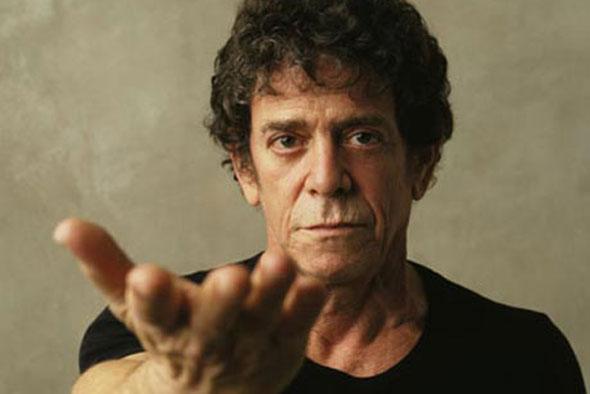
У овој емисији говоримо о музици Лу Рида (Lou Reed) који је 27. октобра 2013. године преминуо у 72. години. Рођен је у Бруклину (Њујорк, САД) 1942. године. Бенд Velvet Underground оснива 1964. године, а након што га је напустио почетком 70-тих, упустио се у соло каријеру у којој је постао једна од најутицајнијих фигура у историји рок музике. Објавио је 22 студијска албума, 15 компилација и 44 сингла, уз 12 live албума.


Friday, 15 November 2013

Однос Православне Цркве према моралу

Архимандрит Сава Јањић

У православном предању морал се не може дефинисати само као облик друштвене свести који почива на одређеним конвенцијама и обичајима, већ представља пре свега онтолошки догађај. Другим речима, морал за хришћанина представља динамичко остварење пуноће нашег постојања и живота или у случају неуспеха и пада, изопачење наше аутентичне личности, ипостаси. То значи да је морално добар човек онај који који позитивно одговара својом личном слободом на Божију љубав и себе остварује кроз Христа, у Цркви, као целовиту личност, тј. бива спашен (сачуван). Св. Максим учи да се човекова природна воља (θέλημα φυσικόν) увек у односу на Бога изражава позитивно, за разлику од гномске воље (θέλημα γνωμικόν), односно оболеле воље, која се под видом слободе одлучивања најчешће завршава у бунту и отуђењу од Бога. Дакле морал у нашем духовном животу није само поштовање одређених конвенција, већ аутентични живот који једино можемо да нађемо у Христу, у евхаристијском и природном начину постојања. Такође је веома важно да слобода у Христу губи на својем значењу уколико морални живот сведемо искључиво на спољашње и површно схватање морала, тачније на морализам, пуританизам, што је данас веома често случај.

Is there an afterlife?

The science of biocentrism can prove there is, claims Professor Robert Lanza

t’s a question pondered by philosophers, scientists and the devout since the dawn of time: is there an afterlife?

While the religious would argue that life on earth is a mere warm up for an eternity spent in heaven or hell, and many scientists would dismiss the concept for lack of proof – one expert claims he has definitive evidence to confirm once and for all that there is indeed life after death.

Kvantna fizika kaže: Večni život postoji

DAILY MAIL

Većina naučnika verovatno smatra da je život posle smrti nemoguć, ili da je barem nemoguće dokazati njegovo postojanje. Ipak, jedan od njih tvrdi da ima dokaz da je život večan, a on leži u kvantnoj fizici.

Robert Lanca

Profesor Robert Lanca tvrdi da njegova hipoteza biocentrizma nudi dokaz da je smrt kakvu poznajemo samo iluzija koju stvara naša svest.

Wednesday, 13 November 2013

The Holy Scriptural Orthodox Tradition of “Sarandismos”(40th Day Blessing of birth givers)

The Apostolic Orthodox Tradition of “Sarandismos”(The Service of 40th Day Blessing of birth givers) is a special 40 Day period of a new mother’s self-enclosure in her home after child-birth. This is an Ancient Liturgical Act of our Holy Orthodox Church and traces back to Mosaic Law, practiced in imitation and special honour of the Holy Mother of God, the Most Holy Theotokos and Ever-Virgin Mary. Even she herself, after giving birth to Christ, remained enclosed for 40 Days and only after that period was completed, she brought the Divine Infant to the Holy Temple and placed Him at the Hands of the Holy Priest St Symeon. This event was rightfully elevated to a Great Theomitoric Feast of the “Ypapandi” = The Annunciation of Christ, which in all accuracy consists of the True Orthodox ‘Mother’s Day’. It portrays the perfect example of a Sacred Image of the Most Holy Mother which brings her Child to the Temple and dedicates it to God in all gratefulness that children are not really ours but God’s. Thus, the Tradition of Sarandismos is an exceptional tribute to Motherhood.The ancient medical term for Sarandismos is “loheia” and a woman during medical confinement of her bed is called “lehona”. In the science of medicine ‘Loheia’ is the 40 day period during which the female organism attempts to reinstate itself to the condition that it was prior to pregnancy.
Related Posts Plugin for WordPress, Blogger...