Са благословом Његовог Преосвештенства Епископа ваљевског г. Милутина, Епархија ваљевска представља филм протојереја Ненада Марковића о животу и чудима светог Нектарија Егинског.

Saturday, 12 October 2013

Документарна серија: Константиново наслеђе
Документарна серија Константиново наслеђе (Православна култура – ХХI век) направљена је као дијалог Православне Цркве са Савременом културом света.
Tuesday, 8 October 2013
Ordet (1955)
Carl Theodor Dreyer
How do we understand faith and prayer, and what of miracles? August 1925 on a Danish farm. Patriarch Borgen has three sons: Mikkel, a good-hearted agnostic whose wife Inger is pregnant, Johannes, who believes he is Jesus, and Anders, young, slight, in love with the tailor's daughter. The fundamentalist sect of the girl's father is anathema to Borgen's traditional Lutheranism; he opposes the marriage until the tailor forbids it, then Borgen's pride demands that it happen. Unexpectedly, Inger, who is the family's sweetness and light, has problems with her pregnancy. The rational doctor arrives, and a long night brings sharp focus to at least four views of faith.
Encomium to the Holy Martyr Pelagia (+8 Oct.)
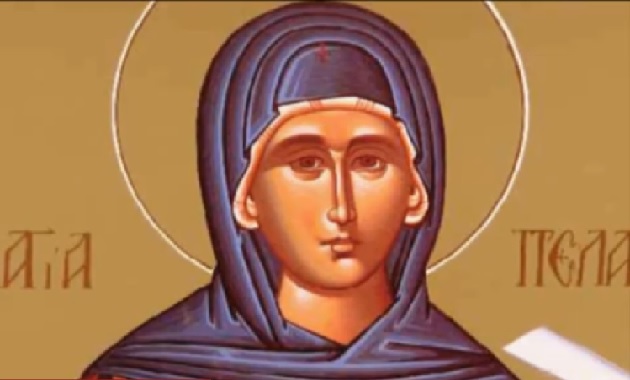
 Saint John Chrysostom
Blessed be our God: because women, too, now mock death, and maidens laugh at it, as do virgins, and, indeed, very young girls who have not known marriage dance on the barbs of Hell without suffering in the least. All these good things have been granted to us because of Christ, Who was born of a Virgin. Because after those blessed, unbearable pangs and most frightful birth, the sinews of death were undone, the power of the devil was paralyzed, and not only among men any more, but even to women it became contemptible. And not only among women, but among maidens, too. Just as if an excellent shepherd who has caught a lion which was terrifying the sheep and gobbling up the whole flock, has pulled its teeth, cut its claws and shaved its hair, making its contemptible and a laughing-stock, and has given it to the herdsmen’s boys and girls to play with. In the same way, Christ has captured death, which was dreaded by our nature and inspired fear throughout the human race, and has dispelled all the fear it induced and has handed it over to virgins to mock.
Sunday, 6 October 2013
The unconscious as the starting point of the spiritual life
 John Kornarakis
Psychology’s most significant contribution to our understanding of the development of the spiritual life and the Gospel’s spirituality is, undoubtedly, its decisively important work on the role of the unconscious psyche.
The unconscious is considered by depth psychology to be the personality’s basic mental function. According to this view, human behaviour, people’s way of adapting to life, and their basic and even secondary reactions to life experiences and events, all usually depend directly on the content and operation of the unconscious.
Exploring the Artist An Orthodox Perspective
 Deacon James Bryant
The Place of the Artist
The place and prominence of the artist in society has shifted radically in the last millennium. Very little is known about the artists prior to the end of the Middle Ages. The architects, artists, and craftsmen were not identified. They did not sign their works. Artistic accomplishments were brought forth out of the cultural context and were an expression of the world view or the faith of the people and the time in which they were created. Just as we do not know the names of the bankers, or contractors, or chariot builders, the names of artists were not recorded. It was not until the Renaissance and the rise of humanism that artists began to be identified and sign their works. Even so, the great art works prior to the twentieth century were generally an expression of the virtues and values of a society that was not focused in upon itself. The creativity of the artist was focused upon giving form to a commonly accepted and objective expression of a God centered consciousness.
Saturday, 5 October 2013
INDEXI: NAŠI STONESI I BEATLESI U pogrešnom vremenu i na pogrešnome mjestu

Priča o Indexima sigurno je najmanje tipična od svih velikih priča o jugoslavenskim rock grupama, jer vrvi stranputicama, kolapsima, zavijutcima, usponima i padovima. Iznenadni prekidi izmjenjuju se s provalama ambicija i smjelim projektima. Pop-hitovi s velikim umjetničkim djelima, koji su danas, poput ‘Modre rijeke’, prava muzička čuda
Nije teško zamisliti proslavu pedesetogodišnjice Indexa, u postavi s pjevačemDavorinom Popovićem Pimpekom, gitaristom Slobodanom Bodom Kovačevićem i basistom Fadilom Redžićem. Indexi, nalik Rolling Stonesima koji upravo slave istu obljetnicu, umjesto glomazne rock turneje odabrali bi nekoliko upečatljivih koncerata. Dok Stonesi razmišljaju bi li pozvali Lady Gagu ili Carrie Unbderwod, Indexe bi čekala čitava komuna muzičara s kojima su surađivali tijekom karijere. Možda bi pedesetogodišnjica Indexa po svojoj simbolici i emocijama više podsjećala na povratničku turneju Bijelog dugmeta 2005. godine, nego na aktualnu turneju Stonesa, samo što bi Indexi bolje uvježbali svoj repertoar od Bijelog dugmeta. No Indexi ionako ne postoje nakon smrti Davorina Popovića 2001. godine, a u međuvremenu je na žalost umro i gitarist i skladatelj Slobodan Bodo Kovačević. Ipak nisu zaboravljeni ni svedeni na puku enciklopedijsku natuknicu. Dapače, njihove pjesme i ploče danas nam se čine bolje nego ikad.
Friday, 4 October 2013
A WORD FROM THE PATRIARCH. "LOVE IS THE MOST IMPORTANT THING IN LIFE"
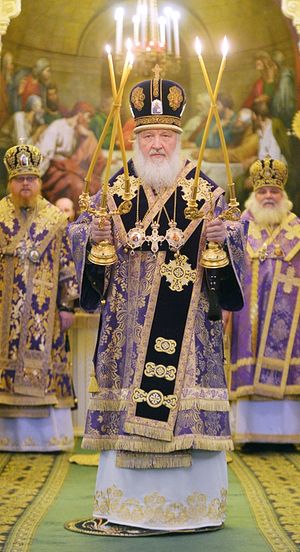 His Holiness Patriarch Kirill
The Apostle says, But God forbid that I should glory, save in the cross of our Lord Jesus Christ… Then he pronounces these words of great power and importance: by whom the world is crucified unto me, and I unto the world (Gal. 6:14).
What do these words of the apostle mean? They mean only one thing—that the cross is placed upon the whole world as a kind of measuring-stick of Divine righteousness and Divine truth… More than anything in life, people need a measuring-stick, some criteria they can use to measure everything around them—the thoughts that come to them, the flood of information, the words of politicians and ordinary people, the actions of these or those other people…
Thursday, 3 October 2013
Byzantine Music as an "Art of Music and Art of Therapy"

By Stylianos Gerasimos, Theologian - Musician
Byzantine Music is an art of prayer, an art of spirituality, because it is a component of the worship of the Church, and thus a spiritual event in the life of a Christian, for by this art God is glorified.
To celebrate the launch of the Triodion, it would be good to emphasize the importance of Byzantine Music as a means of therapy for people from situations which the period of the Triodion makes customary, and at the same time affect man spiritually.
Wednesday, 2 October 2013
НОВАЦ. ТЕШКА ТЕМА

Протојереј Андреј Ткачов
Тема новца је тешка тема. Иако он више није само метал, већ чешће папир, а понекад и нешто виртуелно, што уз помоћ картице делује у свету, његова тежина се није смањила.
Кад Дух дише трулеж гори и старудија се расипа. Човек је живео сложно с грехом и у загрљају с безакоњем и мислио је да се све може купити. А да би све купио, све што је радио било да прикупља и сакупља. Касније, ако се окренуо Богу и ако је осетио да постоји други живот, шта ће бити с оним што је прикупљено и сакупљено? Ко то зна? Свашта се дешава. Али често се дешава управо то да се оно што је сакупљено на лош начин расипа као прах и гори као смеће. То је посебан благослов Божји, који је тешко схватити и није лако прихватити. Али, спаљује се кужна или вашљива одећа. Како Бог да чува близу тебе, на теби и с тобом све што је натопљено грехом као микробима?
ХРИШЋАНСТВО ПРОТИВ ИЗОПАЧЕНОСТИ
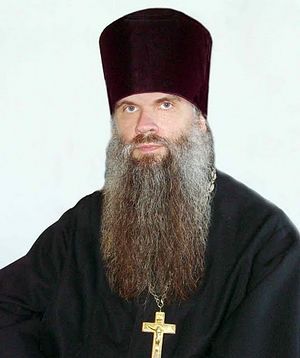
Протојереј Валентин Асмус
Новинарка Јулија Латињина је, уместо да поштено каже да јој се не свиђају «православне вредности», зато што јој се свиђају хомосексуалци увредила светињу хришћанске вере измишљотинама о томе да ни «Источна Црква», ни Сам Христос нису били непријатељи изопачености.
Латињина зна да лаже, али пошто јој неко може поверовати, истаћићу следеће: Христос за Себе каже да «није дошао да наруши, већ да испуни» (Мт. 5, 17) старозаветни Закон. Ако је Христос мењао норме то је увек било тако да су постајале строже. Међутим, Закон је остао основа на коју се позивао Христос. А у Старом Завету је све потпуно јасно. У једној од законодавних књига читамо: «С мушкарцем не лези као са женом; гадно је... Немојте се скрнавити ниједном овом стварју; јер су се свим тим стварима скрнавили народи које ћу одагнати испред вс. Јер се оскрнавила земља, и неваљалство ћу њено походити на њој, и изметнуће земља становнике своје... јер ко учини штогод од ових гадова, истребиће се из народа свога душе које учинише» (3 Мојс. 18, 22-29). «Ко би мушкарца облежао као жену, учинише гадну ствар обојица; да се погубе; крв њихов на њих» (3 Мојс. 20, 13).
Sunday, 29 September 2013
СТРАДАЊЕ СВЕТЕ ВЕЛИКОМУЧЕНИЦЕ ЕФИМИЈЕ

 1. Св. вел. муч. Ефимија. Родом из Халкидона. Отац јој беше Филофрон сенатор, а мајка Теодорисија, обоје благочестиви хришћани. Ефимија беше красна девица и телом и душом. Када Приск антипат устроји празник са жртвоприношењем Ареју у Халкидону, тада се 49 хришћана склонише од тог скверног жртвоприношења и скрише се. Но беху пронађени и изведени пред Приска. Међу њима беше и света Ефимија. Када их охоли Приск упита, зашто се не покоравају заповести царској, они одговорише „и царској и твојој заповести треба се повиновати, ако није супротна небескоме Богу; ако ли је супротна Богу, не само не треба јој се повиновати него јој се треба и противити". Тада их Приск удараше на разне муке, и то кроз 19 дана, из дана у дан. Двадесетога дана одвоји Ефимију од осталих и поче јој ласкати због лепоте њене, да би је придобио за идолопоклонство. Но како све ласке прођоше узалудно, нареди мучење девице. Мучише је прво на точку, но ангел Божји јави се и изломи точак. По том је бацише у пећ огњену, но Божјом силом би сачувана. Видећ то два војника, Виктор и Состен, повероваше у Христа, због чега бише бачени зверовима; и тако славно скончаше земни живот свој. По том Ефимија би бачена у ров, напуњен водом и сваким отровним гадом; но она прекрсти воду, кад уђе у ров, и оста неповређена. Најзад изведена пред дивље зверове, она се благодарношћу помоли Богу, и предаде дух свој. Родитељи њени чесно сахранише тело њено. Пострада 304. год. и пресели се у вечну радост. Спомиње се и 11. јула.
THE FOUNDERS OF THE ORTHODOX WEST: ON RECOVERING THE SPIRITUAL IDENTITY OF WESTERN EUROPE
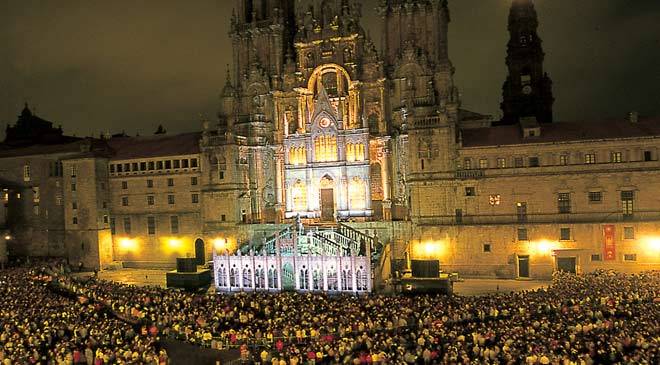 Archpriest Andrew Phillips
Foreword
Who are the great historical figures of Western Europe who define its identity? The answers of the secular world to this question are quite different from those of the Church. The Western secular world exalts secular figures like Charlemagne, Charles V, or Napoleon as “great Europeans”. But all three of these left Europe full of graves. Indeed, Charlemagne and Charles V were renowned for their massacres and, as for Napoleon, he declared that he would have had Christ hanged as a fanatic.[1]
Saturday, 28 September 2013
Предавање о историјату византијског појања
 У понедељак 23. септембра 2013. године у Богословији Светог Петра Цетињског, предавање је одржао професор византијског појања Игор Зиројевић из Атине. Након занимљивог предавања о историјату византијског појања, као и о његовом коришћењу у богослужењу, ученици су предавачу постављали питања. Предавању је поред Ректора и професора богословије присуствовао и игуман манастира Подмаине код Будве јеромонах Рафаило Бољевић. Овом приликом Игор Зиројевић поклони је библиотеци богословије вриједну књигу у којој су штампане неуме по којима се поје литургија Светог Јована Златоустог, и свој ЦД који је штампан по благослову Свесватјејшег патријарха Константинопољског г. Вартоломеја и игумана манастира Хиландара архимандрита Методија.
Friday, 27 September 2013
A Brief Explanation of the Symbolism of the Analabos

The Great Schema in the Orthodox Church requires the traditional monastic vows, plus special spiritual feats. According to Archpriest G. S. Debolsky: "In the understanding of the Church, the Great Schema is nothing less than the supreme vow of the Cross and death; it is the image of complete isolation from the earth, the image of transformation and transfiguration of life, the image of death and the beginning of another, higher, existence."
As a monastic dignity, the Great Schema has been known since the 4th century. According to an ancient legend, this dignity was inaugurated by St. Pachomios the Great. However, as a form of monastic life, the Great Schema goes back to the origin of Christianity. Those who followed Christ's teachings on supreme spiritual perfection by voluntarily taking the vows of chastity, obedience and poverty were called ascetics to distinguish them from other Christians. They led a harsh and secluded hermit's life like St. John the Baptist, or like our Lord Jesus Christ Himself during his forty days in the desert.
Thursday, 26 September 2013
MARRIED LIFE AND ASCETICISM
 Deacon Pavel Serzhantov
It all began with our forefathers, Adam and Eve. They received a commandment in paradise not to taste of the tree of the knowledge of good and evil (cf. 2:17). The commandment not to “taste of this or that” is quite well known to any Orthodox Christian. This is the commandment to fast—the most ancient, beginning factor of family life.
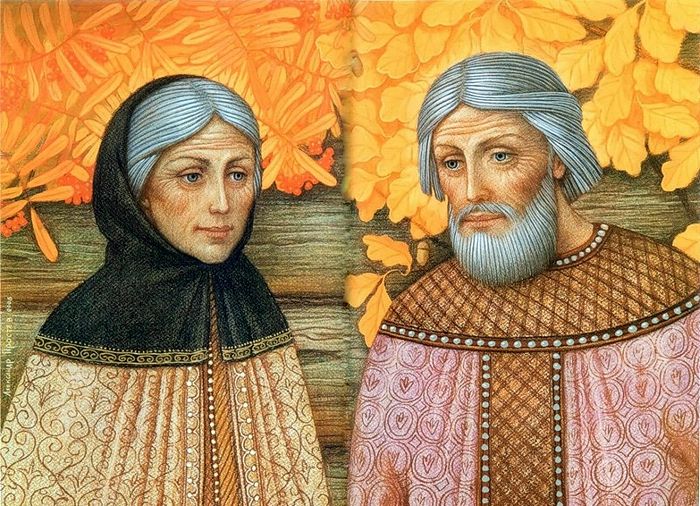
Sts. Peter and Febronia. A painting by: Alexander ProstevAs we know, the first family was tempted by satan, the forefather of all evil. That envier could not calmly watch their happy life. Adam and Eve broke the commandment of not eating. The Lord called them to account. Then they tried to place their own blame on someone else, as if they were not guilty at all. Not only that, but Adam blamed his wife, who, as he emphasized, he had received from God. That is how the fall into sin happened, and people did not repent of what they had done. The Lord deprived them of paradise, and gave them a penance.
Преподобни Силуан Светогорац о љубави према ближњима

Нећу од вас сакрити разлог због кога Господ даје Своју благодат. Нећу много писати, само вас молим – волите једни друге и видећете милост Господњу. Заволимо ближње, па ће и нас Господ заволети. Немој мислити да те Господ воли, ако ти некога попреко погледаш. О, не. Пре ће бити да те воле ђаволи, јер си постао њихов слуга. Али, немој оклевати. Покај се и моли од Господа силу да волиш брата, и осетићеш мир у души.
Свим силама тражите од Господа смирење и братску љубав, јер због ње Господ даје Своју благодат. Сам испитај – једног дана моли од Бога љубав према братији, а другог живи без љубави, па ћеш видети разлику. Духовни плодови љубави су јасни: мир и радост у души. Тада ће ти све бити рођено и мило и проливаћеш много суза за ближње, за сва створења и сву твар.
Често за један једини љубазан поздрав човек у души осећа неку радосну промену. И напротив, за један једини презрив поглед губи се благодат и љубав Божија. Тада се што пре покај да би се поново вратио мир у твоју душу.
Блажена је душа која је заволела Господа и од Њега се научила смирењу. Господ воли смирену душу која се чврсто узда у Њега. Она сваког тренутка осећа милост Његову. Чак и када разговара са људима, она је занета љубављу према Господу. Од дуге борбе са злим дусима она је заволела смирење више од свега и не допушта демонима да из ње изагнају љубав према братији.
Ако будемо свим силама волели братију и смиравали душу, победа ће бити наша, јер Господ пре свега даје Своју благодат због љубави према ближњем.
Преузето из књиге „Старац Силуан“, Манастир Хиландар 1998.
Wednesday, 25 September 2013
The mystery of marriage in a dogmatic light
Bishop
Artemy (Rantosavlievich)
According to Orthodox teaching, marriage (2) is one of
the seven Mystery-Sacraments of the Church. By it, the Church blesses,
elevates, and sanctifies the deliberate conjugal union of a man and a woman,
supplying the divine grace necessary for the completion of their whole life “in
the Lord” and for the fulfillment of the objectives of marriage. The principal
and ultimate goal of Orthodox marriage is the spiritual and moral perfection of
the spouses. The two rise to this as they work through and fulfill other goals
of married life, among which the most general are procreation and the Christian
upbringing of offspring. (3)
On Saint Silouan the Athonite

by St. Nikolai Velimirovich
Love Is Higher Than Knowledge
When someone visits the Holy Mountain and sees the humble monks, they could think this is a lazy life without purpose. It seems so, when one sees things from the outside. This is because few people can understand the fearsome and uninterrupted war undertaken within the souls of the monks.
This war is almost supernatural, invisible and (conducted) not only against the demonic powers of the rulers of darkness, but for beginners it is also against the flesh, that is, against lusts and passions.
Elder Silouan was my teacher. Once I asked him: "Father Silouan, perhaps these many people bring disturbance to your mind and your prayer? Would it not be better for you to go to a hermitage in Karoulia and live there in peace, like Fr. Artemios, Fr. Dositheos and Fr. Kallinikos? Or you can live in a remote cave like Fr. Gorgonios?" Fr. Silouan responded to me: "I live in a cave. My body is a cave for my soul and my soul is a cave for the Holy Spirit. And I love the people of God and minister to them, without coming out of my cave."
The Salvation of the World According to St.Silouan

Metropolitan Kallistos of Diokleia analyzes the soteriology of St Silouan the Athonite. Identifying the similar sense of cosmic unity found both in Dostoevsky and St Silouan, the Metropolitan discusses the influence of St. Isaac the Syrian on both men, moving on to examine St. Silouan's burning desire and constant prayer for the salvation of the whole world and its theological implications.
We Must Pray for All: The Salvation of the World According to St. Silouan
‘Love all creation’, says Starets Zosima in Fyodor Dostoevsky’s novelThe Brothers Karamazov:
Love all creation, the whole of it and every grain of sand within it. Love every leaf, every ray of God’s light. Love the animals, love the plants, love everything. If you love everything, you will perceive the divine mystery in things.
This ‘divine mystery’ of which Starets Zosima speaks is precisely the interdependence, the reciprocal coinherence, of all created things in God.
Everything, like the ocean, flows and enters into contact with everything else: touch one place, and you set up a movement at the other end of the world.[1]
Such is Dostoevsky’s vision of cosmic unity. The created world constitutes an individual whole, and so the salvation of each individual person is inextricably bound up with the salvation of all humankind and, yet more widely, with the salvation of the entire universe. ‘We are members of one another’ (Ephesians 4:25) needs to be given the broadest possible application. It is not only we humans who depend on each other as the limbs of a single body; but we have bonds of kinship with the animals as well, and also with trees and plants, rocks and earth, air and water. We live in them, and they in us.
Saint Silouan the Athonite as a Model for our Lives

St. Silouan the Athonite (Feast Day - September 24)
By Protopresbyter Fr. George Papavarnavas
Several years have passed since I heard, during a certain vigil, the words of the venerable Silouan read about love. I remember that it caused a great impression on me. It made me feel a sweetness in my heart and an unforgettable inner jubilation. Such homilies I have not had much of an opportunity to hear and I admit that I was amazed. Then I found and studied the book of his life and writings, which exude the fragrance of the Holy Spirit and spiritually nourish and quench, because they are words of God. Let us note here that there is a difference between the words of God and words about God. It is one thing to speak about Christ after seeing Him, and another thing to imagine Him. Philosophical speculation is one thing and empirical theology another, which is the result of the vision of God (theoria). The words of the saints are "words of eternal life", which is why they help in the therapy of the passions and in inner regeneration. TheGerontikon refers to people approaching the great Elders and begging them for a word of salvation: "Abba, say a word that I may be saved."
Saint Silouan the Athonite on Smoking

In 1905 Father Silouan spent several months in Russia, often visiting monasteries. On one of his train journeys he sat opposite a shopkeeper, who in a friendly gesture opened his silver cigarette-case and offered him a cigarette. Father Silouan thanked him but refused to take one. Then the shopkeeper began talking, asking, ‘Are you refusing, Father, because you think it is a sin? But smoking is often a help in life. It relaxes you, and makes a few minutes’ break. Smoking helps one to get on with one’s work or have a friendly chat, and in general…’ And so on, trying to persuade Father Silouan to have a cigarette. In the end Father Silouan made up his mind to say to him, ‘Before you light up a cigarette, pray and repeat one “Our Father…”’ To this the shopkeeper replied, ‘Praying before having a smoke somehow doesn’t work.’ To this Silouan observed, ‘So better not start anything which cannot be preceded by untroubled prayer.’
From Saint Silouan the Athonite by Archimandrite Sophrony, p. 70.
Subscribe to:
Posts (Atom)
